Royal Challengers Bengaluru became the first cricket team in any league to clear a USD 300 million brand value, reaching USD 312 million in Houlihan Lokey's 2026 IPL valuation report. Mumbai Indians, Kolkata Knight Riders and Chennai Super Kings sit behind, the league's overall business crossed USD 20.6 billion, and the gap between the top of the table and the rest is now wider than at any point in IPL history.
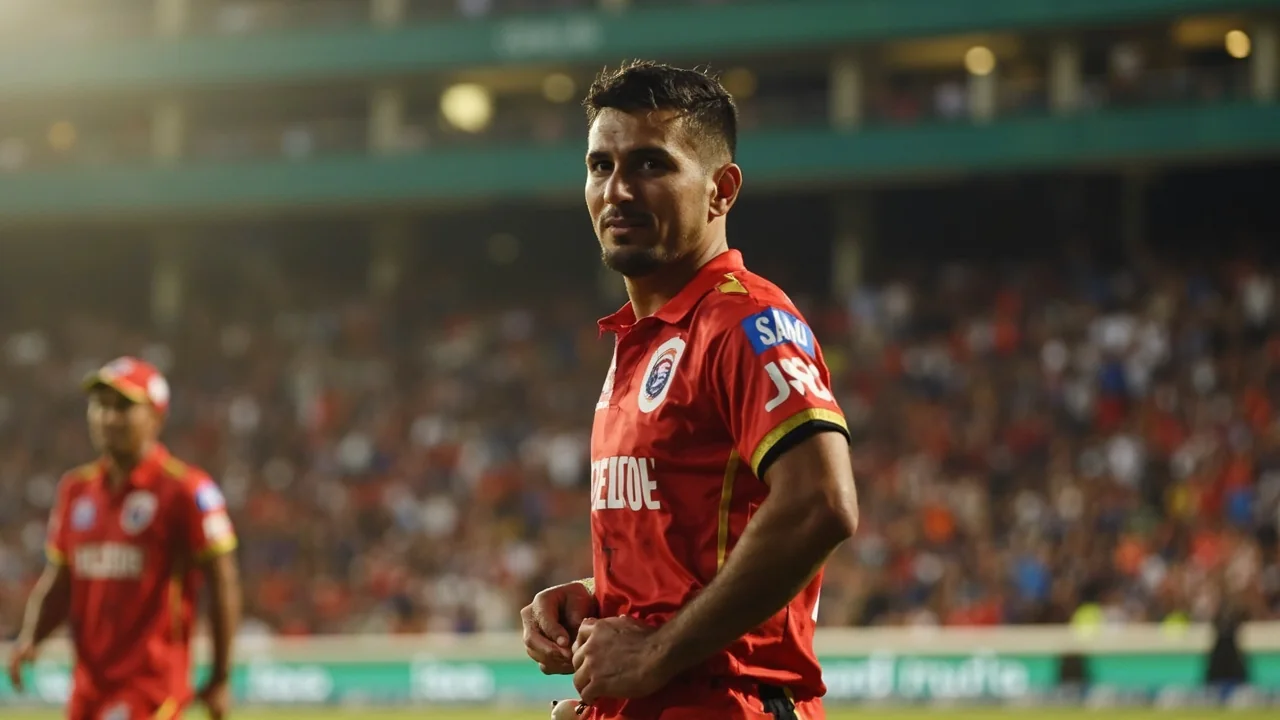
The number sits at the top of the document, in bold, and it is the number the IPL's business side will be quoting for the rest of the year. Royal Challengers Bengaluru is the first cricket team in any league — Tests, ODIs, T20 internationals, franchise cricket — to clear a USD 300 million brand value, finishing 2026 at USD 312 million according to the Houlihan Lokey valuation that landed on the desks of franchise owners and the BCCI this week. That is a 16% jump on the USD 269 million Houlihan Lokey recorded for RCB last year, and it puts the Bengaluru franchise ahead of every cricket brand on the planet on a single, comparable measure.
The 2026 table reads the way Indian cricket fans have been trained to expect, with one significant reshuffle in the middle. Mumbai Indians held on to second at USD 264 million, up 9.1% from USD 242 million. Kolkata Knight Riders are third at USD 245 million, Chennai Super Kings fourth at USD 244 million — a gap of a single million between them, and the closest the two oldest Indian franchises have been on a brand measure in years. Delhi Capitals, Rajasthan Royals and Sunrisers Hyderabad sit in fifth and sixth, with Punjab Kings seventh at USD 158 million after a 12.1% rise. Gujarat Titans are eighth. The bottom of the table is unchanged at the edges: Lucknow Super Giants tenth at USD 122 million, the same number Houlihan Lokey put on them a year ago.
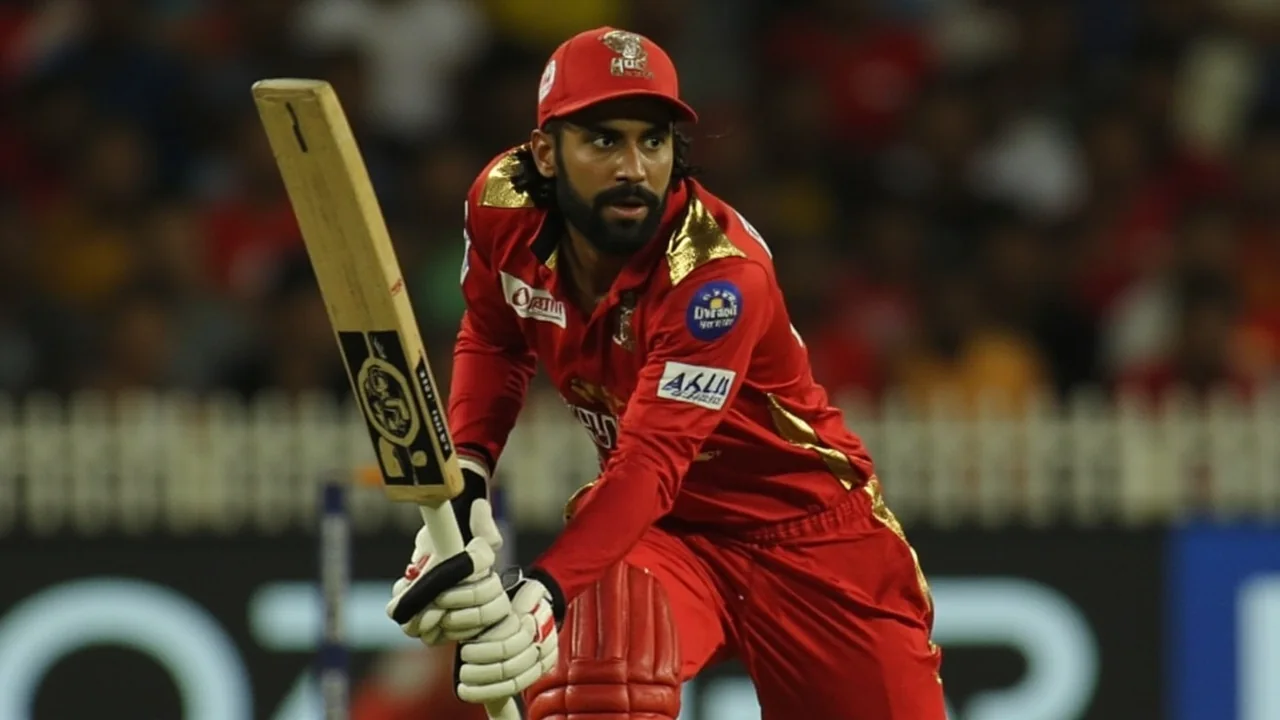
| Rank | Franchise | 2026 brand value | 2025 brand value | Year-on-year |
|---|---|---|---|---|
| 1 | Royal Challengers Bengaluru | USD 312 m | USD 269 m | +16.0% |
| 2 | Mumbai Indians | USD 264 m | USD 242 m | +9.1% |
| 3 | Kolkata Knight Riders | USD 245 m | — | |
| 4 | Chennai Super Kings | USD 244 m | — | |
| 7 | Punjab Kings | USD 158 m | — | +12.1% |
| 10 | Lucknow Super Giants | USD 122 m | USD 122 m | flat |
Brand value in the Houlihan Lokey methodology is not a revenue number and it is not a Forbes-style estimate of what a sale might fetch. It is a forward-looking calculation that rolls in commercial revenue, the strength and pricing power of sponsorships, the value of media inventory the franchise controls, social and broadcast reach, and a discount-rate-adjusted view of the cash the brand is expected to generate over a planning horizon. Three things pushed RCB over the line this year.
First, the on-field result. RCB ended a long wait for a senior trophy with the IPL 2025 title, and the commercial calendar for 2026 has been built on the back of that win. Jersey sponsors pay for moments of national visibility, and a title-winning run produces the kind of broadcast minutes and stadium sell-outs that justify a premium. Second, the stadium. The M. Chinnaswamy Stadium in Bengaluru is the highest-scoring ground in the IPL on a match-by-match basis, and the only ground that sells out its full general-seating allocation well before the season opens; that structural sell-out feeds straight into hospitality, gate-share and brand-experience revenue. Third, the audience. RCB's social accounts sit comfortably above 20 million followers across Instagram, X and YouTube, and the brand's research partnerships and short-form video output extend that reach into markets where the IPL is still building.
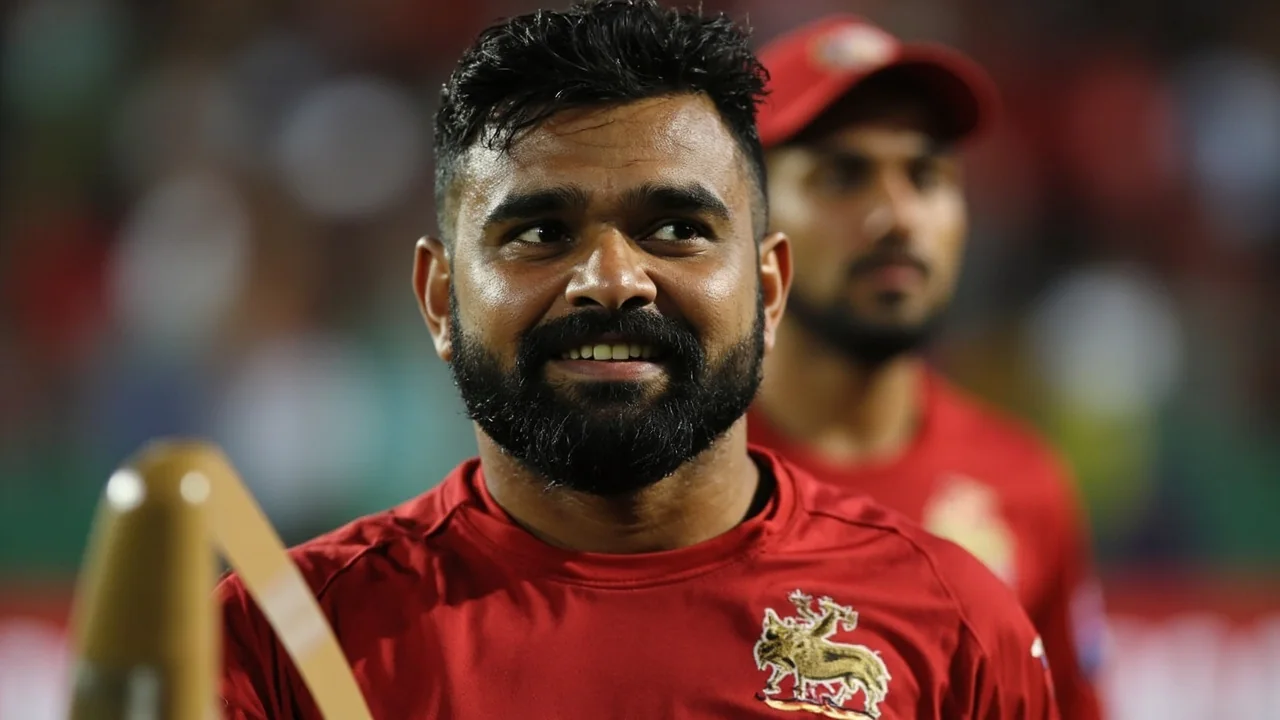
A brand value at this scale changes the kind of conversations a franchise can have with sponsors, broadcasters and the league. It does three practical things in 2026. It anchors jersey and title-sponsor negotiations at the top of the market — the next RCB shirt deal will be priced off the USD 312 million figure, not the USD 269 million figure. It supports premium hospitality inventory at the Chinnaswamy Stadium at rates the franchise could not have justified in 2024. And it gives the franchise leverage inside the BCCI's central-rights pool when the next media-rights cycle is renegotiated, because the league's central income is shared partly by performance and partly by audience pull, and RCB pulls hard on both.
There is also a quieter effect. Brand value at this level is the metric sponsors and investors use when they are deciding which IPL franchise to attach their name to over a five-year horizon. RCB moving first past the USD 300 million mark is the kind of headline that gets quoted back to brand managers in boardrooms in Mumbai, Dubai and London, and that quote is worth more than the headline itself.
The wider picture is bigger still. The Houlihan Lokey report values the IPL as a business at USD 20.6 billion in 2026, up 11.4% from USD 18.5 billion last year. That is the second year in a row the league has cleared double-digit growth, and the rate is higher than the rate of growth in any of the other top-tier franchise leagues that Houlihan Lokey benchmarks the IPL against. The mix that produced that growth is well-rehearsed by now: the media-rights cycle with Disney-Star and Viacom18 that ran into 2027 and the early signs of the next cycle, the IPL title sponsorship that has been layered with associate and official partners, the central pool that is split between franchises on a formula that rewards on-field performance and the stadium gate and match-day revenue that the league now centralises in part.
Look at the gaps, not just the rankings. RCB sits USD 48 million above Mumbai Indians, USD 67 million above KKR, USD 68 million above CSK, USD 154 million above Punjab Kings in seventh, and USD 190 million above Lucknow Super Giants in tenth. The spread between first and tenth is now USD 190 million — the largest spread the IPL has recorded in any Houlihan Lokey annual. The top three brands are now worth more than the bottom seven combined. That is not, on its own, a problem for the league; it is, however, the kind of imbalance the BCCI's central-pool formula was designed to dampen, and the next rights cycle is the first place the board will have to decide whether the formula does enough.
Mumbai Indians' 9.1% rise is real, but it is the slowest growth at the top of the table, and it reflects the franchise's crowded category: five titles, the largest stadium in the country, a bench of corporate owners with the deepest pockets in the league, and yet the gap to RCB widened by USD 23 million this year. CSK and KKR remain within a million of each other, and the difference between them in 2026 comes down to broadcast minutes, social growth and the difference a title-winning run makes inside a brand valuation model.
Punjab Kings' 12.1% jump is the second-largest percentage rise at the top of the table after RCB's, and it is worth noting because it took the franchise from outside the top half of the table to seventh with a brand value of USD 158 million. That is the kind of movement that earns a franchise a seat at the table when the central pool is renegotiated, and it is the kind of movement sponsors track when they are deciding which IPL brand to attach a five-year deal to.
Lucknow Super Giants held at USD 122 million, unchanged from a year ago. Houlihan Lokey does not always publish a paragraph on franchises that did not move, but a flat brand value in a year when every other top-ten franchise moved up is its own signal. The franchise is two years younger than most of its peers, has not had a title-winning run, and its home circuit at the BRSABV Ekana Cricket Stadium is still building the kind of gate-share record that moves a Houlihan Lokey number. The flat line is a reminder that brand value in the IPL compounds slowly for franchises that are not yet at full capacity on broadcast, social and match-day revenue at the same time.
The immediate question is how the franchise uses the USD 312 million number. The conversations that follow a number like this are predictable: a title-sponsor renegotiation that uses the new figure as the anchor, premium-hospitality inventory that can be priced off the brand value rather than the stadium gate, and a media-rights negotiation that the league's central office will run against the backdrop of an aggregate brand-value table that is now USD 2 billion higher than a year ago. The next Houlihan Lokey report lands in mid-2027, in the run-up to the IPL 2028 media-rights cycle, and that is when the question of whether RCB holds the lead, whether the gap to Mumbai Indians closes, and whether the new franchises can move will all be answered in a single document.
For fantasy readers in India, the brand-value table is the scaffolding the league sits on, not the scorecard. It tells you which franchises have the broadcast minutes, the social pull and the corporate backing to fund the kind of player-retention and back-room investment that decides captain picks, impact-player choices and mega-contest outcomes over an IPL season. Reading the brand table at the start of an IPL cycle is now as much a habit for serious fantasy players as reading the form table at the start of a Test series. The full set of IPL 2026 team previews, captain picks and venue reads on Betrophy is built to sit alongside numbers like these, and to convert the league-level business story into match-day decisions.
Royal Challengers Bengaluru. Houlihan Lokey's 2026 IPL Brand and Business Valuation put RCB at USD 312 million, the highest figure recorded for any cricket team in any league.
16 percent, from USD 269 million in 2025 to USD 312 million in 2026.
Mumbai Indians are second at USD 264 million (up 9.1 percent from USD 242 million). Kolkata Knight Riders are third at USD 245 million and Chennai Super Kings fourth at USD 244 million.
USD 20.6 billion, up 11.4 percent from USD 18.5 billion in 2025.
Punjab Kings rose 12.1 percent year on year to USD 158 million (seventh). Lucknow Super Giants held flat at USD 122 million (tenth).
The Houlihan Lokey methodology rolls in commercial revenue, sponsorship pricing power, media inventory, broadcast reach, and a forward view of cash the brand is expected to generate. RCB's IPL 2025 title, the structural sell-out at the M. Chinnaswamy Stadium, and a social audience above 20 million followers across Instagram, X and YouTube were the three practical drivers in 2026.
Squad reads, captain picks and venue breakdowns for every IPL 2026 match, updated alongside the league's brand and business numbers.
